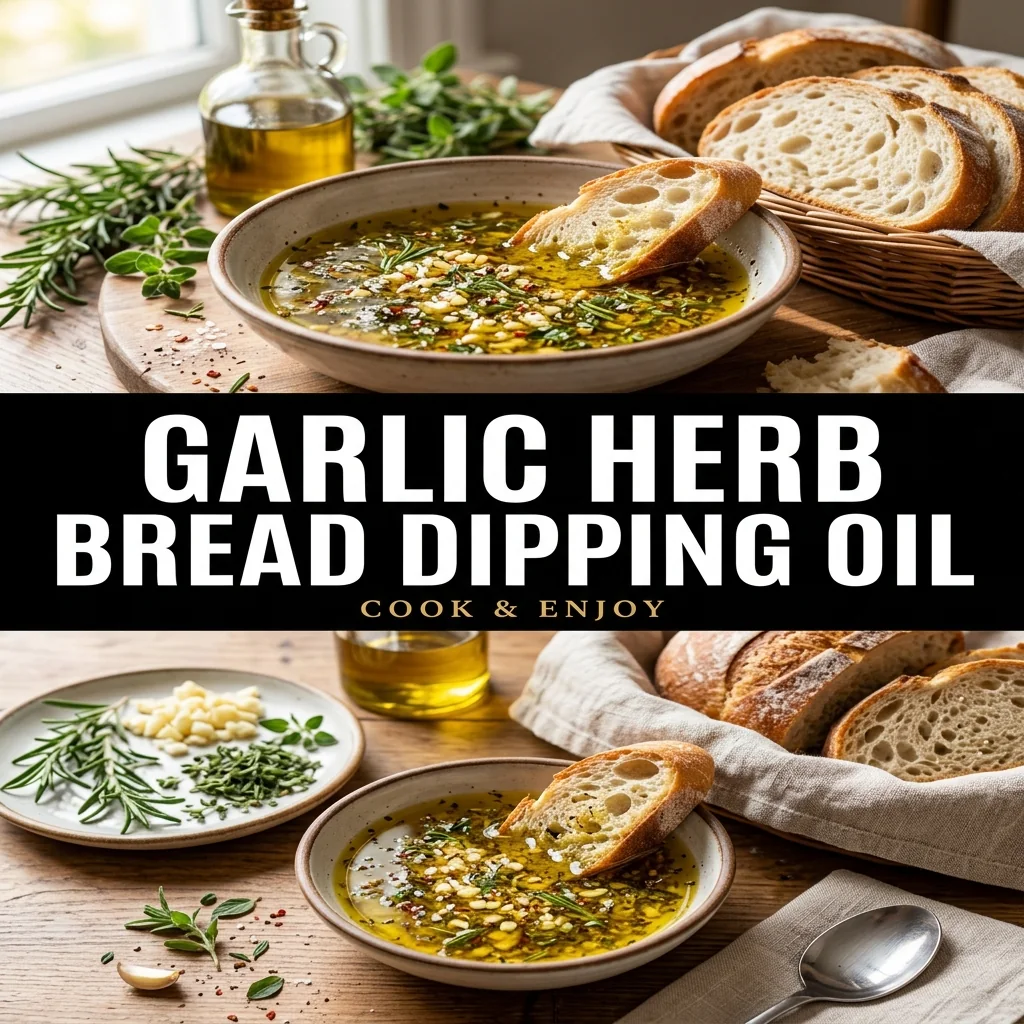
WHY MAKE IT
A little comfort, a lot of flavor.
Warm marinated olives elevate a classic appetizer into an aromatic centerpiece through the gentle application of heat and fresh botanicals. By slowly warming meaty green Castelvetrano and briny Kalamata olives in cold-pressed extra virgin olive oil, their chilled firmness softens into a succulent, buttery consistency. Fresh thyme and rosemary release woodsy aromatics into the warm oil bath, while strips of lemon peel and thinly shaved garlic infuse every crevice of the fruit. A subtle pinch of crushed chili flakes and cracked coriander provides nuanced warmth without overwhelming the natural salinity of the olives. This effortless dish perfumes the kitchen instantly and provides an inviting start to any dinner table, especially when served alongside crusty bread.
Pairing Castelvetrano and Kalamata Varieties
Using a combination of olive varieties introduces complementary textures and contrasting flavor profiles to the dish. Sicilian Castelvetrano olives are prized for their bright green hue, mild sweetness, and distinctly firm, buttery bite. In contrast, dark purple Kalamatas offer rich wine-like fruitiness and deep savory tang from their traditional vinegar cure. Blending them equally balances sweetness with sharp brine. Sourcing pitted varieties allows the infused herbal oil to penetrate the internal cavities, ensuring that each spoonful bursts with flavor while making eating pleasant and effortless for guests.
Infusing Oil Without Scorching Aromatics
Temperature management is critical when infusing aromatics into extra virgin olive oil. High heat scorches raw garlic and turns delicate herbs bitter. By starting with cool oil and gently warming the sliced garlic, thyme, rosemary, and cracked spices over low heat, the volatile essential oils release gradually without degrading the quality of the oil. The garlic should barely simmer, releasing sweet perfume without taking on dark amber color. This gentle steeping turns the surrounding olive oil into a luscious dressing that guests will eagerly mop up with bread.
Serving and Mezze Presentation
Present warm marinated olives in a wide, shallow ceramic dish rather than a deep bowl so the fragrant herbs and yellow lemon strips remain visible across the top. The warm olive oil serves as an integral part of the dish; provide sliced sourdough or warm flatbreads so none of the seasoned oil goes to waste. If using unpitted olives instead, supply a small decorative ramekin alongside the platter for discarded pits. These olives pair seamlessly with crisp radishes, creamy cheeses, and fresh seasonal crudités on an appetizer spread.
Before you start
Rinsing and thoroughly drying the olives prevents residual water from sputtering when introduced to warm oil and keeps the brine from souring the delicate marinade. Keep the stovetop heat strictly low; scorching the garlic or overheating the extra virgin olive oil destroys fruity volatile compounds and introduces unwanted bitterness. Whole coriander seeds cracked with the bottom of a heavy skillet release citrusy essential oils that amplify the fresh lemon peel.
THE RECIPE
Lemon Thyme Marinated Warm Olives
6 servings · 10 minutes preparation · 10 minutes cooking · 10 minutes cooling, chilling or resting
Ingredients
Step-by-step instructions
- Drain the Castelvetrano and Kalamata olives in a colander, rinse briefly with cold water to remove excess packaging brine, and spread on a clean towel to dry completely.
- Remove wide strips of zest from a fresh lemon using a vegetable peeler, taking care to exclude the bitter white pith beneath the skin.
- Combine the extra virgin olive oil, lemon zest strips, thinly sliced garlic, fresh thyme sprigs, rosemary sprig, crushed red pepper flakes, and cracked coriander seeds in an 8-inch stainless steel skillet or saucepan.
- Place the skillet over low heat and warm gently for 5 minutes until the garlic slices turn fragrant and tiny bubbles form slowly around the herbs, preventing the oil from smoking or browning the garlic.
- Add the dried olives to the infused oil and stir with a wooden spoon until every olive is warmed through and coated, continuing to heat over low for another 5 minutes.
- Remove the skillet from the heat, stir in the fresh lemon juice, and allow the olives to steep undisturbed in the warm oil at room temperature for 10 minutes so flavors absorb.
- Transfer the warm olives and infused oil to a shallow serving dish, discarding the woody rosemary stem if desired, and finish with a light sprinkle of flaky sea salt before serving.
Kitchen notes
Rinsing and thoroughly drying the olives prevents residual water from sputtering when introduced to warm oil and keeps the brine from souring the delicate marinade. Keep the stovetop heat strictly low; scorching the garlic or overheating the extra virgin olive oil destroys fruity volatile compounds and introduces unwanted bitterness. Whole coriander seeds cracked with the bottom of a heavy skillet release citrusy essential oils that amplify the fresh lemon peel.
Storage & make-ahead
Allow any leftover olives and oil to cool to room temperature, transfer to a sealed glass jar, and refrigerate within 2 hours; consume within 2 weeks. The olive oil will solidify when chilled; simply bring the jar to room temperature for 30 minutes or warm gently in a small pan over low heat until the oil liquefies and the olives reach 165°F (74°C) if reheated.
An original recipe guide inspired by themes in our Pinterest research. Recipe has not been independently kitchen-tested. AI-generated image is illustrative; your finished dish may look different.
Frequently asked questions
Can I make these marinated olives ahead of time?
Yes, preparing them a day ahead allows the aromatics to penetrate even deeper into the olives. Refrigerate them in a sealed jar, then reheat gently in a small skillet over low heat for 5 minutes until warm and fragrant before serving.
What is the best way to crack whole coriander seeds?
Place the whole seeds on a cutting board and press firmly with the flat bottom of a heavy skillet or chef's knife. You want cracked seeds that release their citrusy oils, not a finely ground powder that turns the oil murky.
Can I use dried herbs instead of fresh thyme and rosemary?
Fresh herb sprigs are strongly preferred because they infuse clean aromatics without burning or floating as gritty flecks in the oil. If needed, substitute one-half teaspoon each of whole dried thyme and rosemary, adding them with the spices.