WHY MAKE IT
A little comfort, a lot of flavor.
Inspired by Moroccan and Mediterranean citrus bakes, this cake takes an unconventional approach by boiling whole oranges until tender, then pureeing skin, pith, and flesh together. This technique captures intense citrus aromatics and oils that cannot be matched by juice or zest alone. Blanched almond flour provides a moist, dense crumb, while fine polenta adds pleasant texture and golden color. Naturally dairy-free, the cake relies on whipped eggs and the rich natural oils of ground almonds for its luxurious mouthfeel. A light splash of orange blossom water enhances the floral notes, and a finishing brush of fresh orange syrup keeps every slice moist for days.
The Science of Boiling Whole Citrus
Simmering whole citrus in boiling water softens the tough cellulose fibers of the outer zest and pith. The water bath leaches away harsh bitter terpenes from the white albedo, leaving behind pure citrus aroma and natural pectin. When pureed, the whole orange creates an emulsified base rich in body. Ensure you remove any seeds before blending, as ground seeds can introduce an unpleasant sharp bitterness into the sweet cake mixture.
Balancing Almond Flour with Polenta
Almond flour provides healthy fats and moisture, but lacks starch structure, which can cause cakes to collapse. Adding fine polenta or stone-ground cornmeal introduces starch that absorbs citrus juices during baking. This balance provides a firm crumb with a pleasant, subtle bite without needing wheat gluten. Choose fine or medium-grind polenta; coarse polenta will stay hard and gritty during the relatively short baking time.
Applying the Citrus Blossom Glaze
While the cake is still warm from the oven, pricking its surface with a thin skewer allows the sweet citrus syrup to seep deeply into the crumb. The syrup seals in moisture and gives the top crust an attractive sheen. Orange blossom water is potent, so measure carefully; a small splash provides an authentic North African floral note without tasting perfumed or soapy. Scatter toasted sliced almonds across the surface for a clean textural contrast.
Before you start
Boiling whole oranges tenderizes the peel and removes excess bitterness from the pith while releasing natural citrus oils. Use thin-skinned navel oranges if available to avoid an overly thick white pith. Puree the boiled fruit as finely as possible so the citrus disperses evenly through the batter. The combination of almond flour and fine polenta provides a structured, nutty crumb that absorbs the citrus syrup without turning soggy. Let the cake cool fully in the pan to firm up before unmolding.
THE RECIPE
Moroccan Orange Almond Polenta Cake
10 servings · 30 minutes preparation · 85 minutes cooking · 60 minutes cooling, chilling or resting
Ingredients
Step-by-step instructions
- Place 2 whole scrubbed oranges in a medium saucepan, cover completely with water, bring to a boil, reduce to low, and simmer covered for 40 minutes until peel is soft.
- Drain the oranges, allow them to cool for 15 minutes, slice open to remove any seeds, then process the whole fruit—including peel and pulp—in a food processor until completely smooth; measure out 300 g of puree.
- Preheat the oven to 340°F (170°C) and grease a 9-inch (23 cm) springform pan, lining the base and sides with parchment paper.
- Beat 5 room-temperature eggs and 200 g granulated sugar in a stand mixer fitted with the whisk attachment for 5 minutes on medium-high speed until pale, thick, and ribbony.
- Whisk together 220 g almond flour, 80 g fine polenta, 8 g baking powder, and 2 g sea salt in a separate bowl.
- Gently fold the 300 g orange puree, 5 ml orange blossom water, and 5 ml alcohol-free vanilla extract into the beaten egg mixture.
- Add the almond flour and polenta mixture in two batches, folding carefully with a silicone spatula until thoroughly incorporated.
- Pour the batter into the prepared springform pan and bake at 340°F (170°C) for 42 to 45 minutes until deep golden and a skewer inserted into the center emerges clean.
- Simmer 60 ml orange juice and 50 g sugar in a small saucepan for 3 minutes until dissolved, prick the warm cake all over with a skewer, brush the syrup across the top, rest the cake for 45 minutes in the pan, unmold, and garnish with 20 g toasted sliced almonds.
Kitchen notes
Boiling whole oranges tenderizes the peel and removes excess bitterness from the pith while releasing natural citrus oils. Use thin-skinned navel oranges if available to avoid an overly thick white pith. Puree the boiled fruit as finely as possible so the citrus disperses evenly through the batter. The combination of almond flour and fine polenta provides a structured, nutty crumb that absorbs the citrus syrup without turning soggy. Let the cake cool fully in the pan to firm up before unmolding.
Storage & make-ahead
Store the cooled cake wrapped in parchment inside an airtight container in the refrigerator for up to 5 days. Because of the high natural moisture and fruit content, keeping it chilled prevents souring. Serve cold or bring to room temperature for 30 minutes before serving.
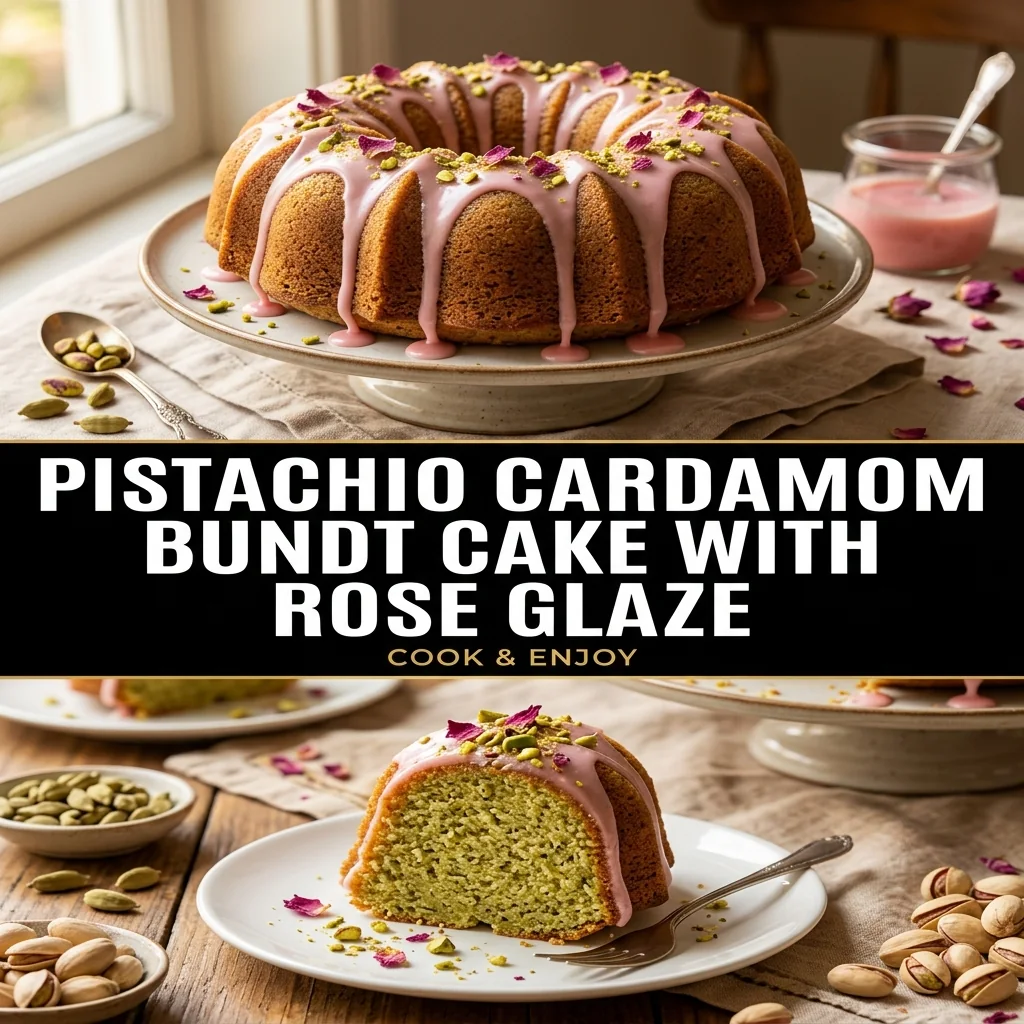
An original recipe guide inspired by themes in our Pinterest research. Recipe has not been independently kitchen-tested. AI-generated image is illustrative; your finished dish may look different.
Frequently asked questions
Can I use clementines or mandarins instead of navel oranges?
Yes, seedless clementines or mandarins work well. Because they are smaller with thinner skins, reduce their boiling time to 25 to 30 minutes. Weigh the final puree to ensure you use exactly 300 g in the batter.
Why does this recipe use fine polenta instead of all-purpose flour?
Fine polenta introduces a classic Mediterranean texture and a rich yellow hue, while remaining naturally gluten-free. It absorbs moisture from the orange puree effectively, giving the cake a soft, sliceable crumb.
How do I toast the sliced almonds for the garnish?
Spread the sliced almonds in a single layer on a baking sheet and bake at 325°F (165°C) for 5 to 7 minutes, stirring once halfway through, until pale golden and fragrant, then cool completely before garnishing.