WHY MAKE IT
A little comfort, a lot of flavor.
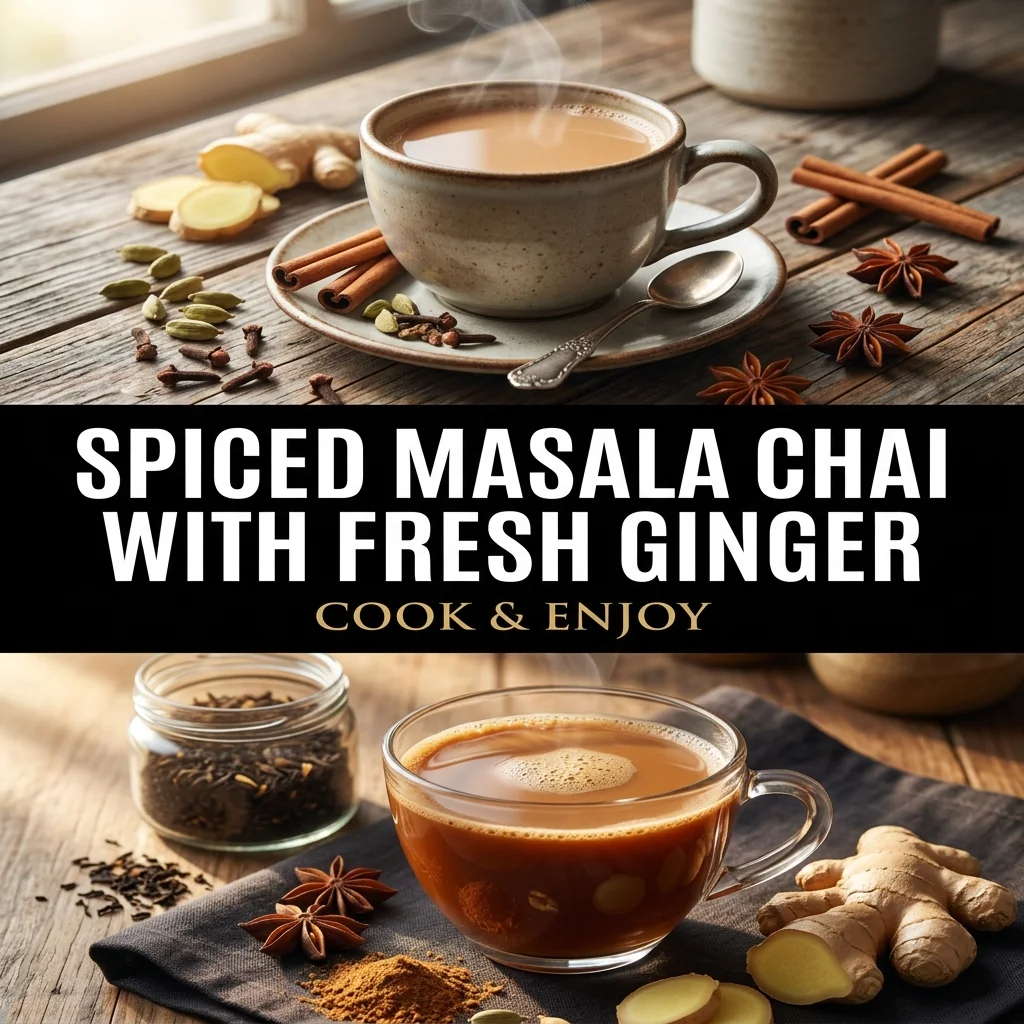
Spiced masala chai is an ancient culinary art originating on the Indian subcontinent, distinguished by its vigorous decoction method rather than simple hot water steeping. While variations abound across regions, incorporating fresh, juicy ginger root alongside warm spices like cardamom, cinnamon, clove, and black pepper yields an unmatched comforting intensity. The secret to authentic chai lies in utilizing CTC (crush, tear, curl) Assam black tea. These dense, pelletized tea granules withstand rolling boils without turning unpleasantly muddy, contributing a deep copper hue and bold, malty tannins that easily harmonize with whole milk and rich unrefined cane sugar. Boiled together patiently in a single pan, the spices bloom to create a warming, deeply aromatic morning or afternoon restorative.
The Importance of CTC Black Tea
Standard loose-leaf orthodox teas are too delicate for the intense boiling process required for masala chai; their nuanced floral notes become obliterated by milk, leaving the chai watery and pale. CTC (crush, tear, curl) tea consists of machine-processed black tea leaves rolled into firm, dark pellets. When subjected to direct boiling water, CTC granules release potent tannins and vivid reddish-brown pigments rapidly. This provides the formidable structural backbone necessary to balance rich whole milk, pungent ginger, and intense warming spices without losing its unmistakable tea identity.
The Boiling and Rising Technique
Simmering milk-tea mixtures to the brink of boiling over—often referred to as letting the chai rise—is central to developing authentic mouthfeel. As the whole milk approaches boiling temperature, milk proteins and butterfats expand into a foamy crest. Dropping the heat just as the foam crowns and repeating this gentle rise concentrates the liquid through evaporation while homogenizing the dairy fats with the extracted tea polyphenols. This specific thermal cycle breaks down raw milk notes into a smooth, rounded, creamy texture that flat steeping cannot match.
Extracting Ginger and Spices
Spices release their volatile compounds at varying rates. Crushed whole spices like cardamom pods, cinnamon bark, and cloves release aromatic esters steadily into boiling water, while fresh grated ginger delivers both piquancy and natural juice. Boiling these botanicals in pure water before introducing milk is essential; dairy fats trap hydrophobic flavor compounds, impeding proper water-soluble extraction. Simmering the spices first in clear water extracts maximum warmth, ensuring the finished chai retains a lively kick that warms the throat on every sip.
Before you start
For maximum warmth and spicy pungency, grate the ginger rather than merely slicing it; grating exposes far more cell surface area, releasing fiery ginger juice directly into the water. Whole spices must be cracked in a mortar to liberate their interior essential oils before hitting the pan. Always decoct the spices and black tea in water before introducing cold whole milk, as milk fats coat tea leaves and whole spices, hindering optimal flavor and color extraction if added too early.
THE RECIPE
Spiced Masala Chai with Fresh Ginger
2 servings · 5 minutes preparation · 10 minutes cooking · 2 minutes cooling, chilling or resting
Ingredients
Step-by-step instructions
- In a heavy-bottomed 1.5-liter stainless steel saucepan, combine 300 ml filtered water, 15 grams grated ginger root, the cracked cinnamon stick, 4 crushed cardamom pods, 3 cloves, and 4 coarsely crushed peppercorns.
- Set the saucepan over medium-high heat and bring the liquid to a rolling boil at 212°F (100°C).
- Lower the heat to medium-low and simmer the spices uncovered for 4 minutes, allowing the hot water to extract the pungent gingerols and essential oils from the whole spices.
- Add 2 tablespoons of loose CTC Assam black tea granules and 2 tablespoons of unrefined cane sugar, stirring well to dissolve the sweetener, and simmer for 2 minutes as the decoction darkens.
- Pour in 250 ml of cold whole milk and increase the heat to medium, stirring occasionally to prevent dairy proteins from scorching to the base of the pan.
- Watch carefully as the chai heats; allow the milk to rise in a foamy wave toward the top rim of the saucepan, then instantly drop the heat to low and simmer gently for 2 minutes to thicken.
- Remove the pan from the heat, allow the chai to rest off the burner for 2 minutes, then strain through a fine-mesh tea sieve directly into two 250-ml ceramic mugs and serve piping hot.
Kitchen notes
For maximum warmth and spicy pungency, grate the ginger rather than merely slicing it; grating exposes far more cell surface area, releasing fiery ginger juice directly into the water. Whole spices must be cracked in a mortar to liberate their interior essential oils before hitting the pan. Always decoct the spices and black tea in water before introducing cold whole milk, as milk fats coat tea leaves and whole spices, hindering optimal flavor and color extraction if added too early.
Storage & make-ahead
Chai is best consumed fresh off the stove. Leftover strained chai can be cooled completely, transferred into a clean glass jar, and stored safely in the refrigerator within 2 hours of cooking for up to 24 hours. Reheat gently in a small saucepan over medium heat until steaming hot, reaching 165°F (74°C). Avoid microwaving on high heat, which can separate milk proteins and form an unpleasant skin.
An original recipe guide inspired by themes in our Pinterest research. Recipe has not been independently kitchen-tested. AI-generated image is illustrative; your finished dish may look different.
Frequently asked questions
Can I use ground spices instead of whole spices?
Ground spices create a gritty, cloudy texture that passes straight through standard tea strainers, leaving an unpalatable silt at the bottom of your mug. Whole spices, lightly cracked in a mortar, yield a cleaner, brighter flavor and strain out cleanly.
Why did my milk curdle when making chai?
Milk curdling typically happens if the fresh ginger is exceptionally acidic or if the milk was added to an excessively boiling acidic spice reduction too fast. Simmering the ginger thoroughly in water first and using fresh whole milk prevents curdling.
Can I replace dairy milk with plant milk?
Yes, oat milk or creamy soy milk work reasonably well because they handle simmering heat without separating easily. Avoid low-fat almond milk, which tends to separate, curdle, and yield a thin, watery chai lacking body.