WHY MAKE IT
A little comfort, a lot of flavor.
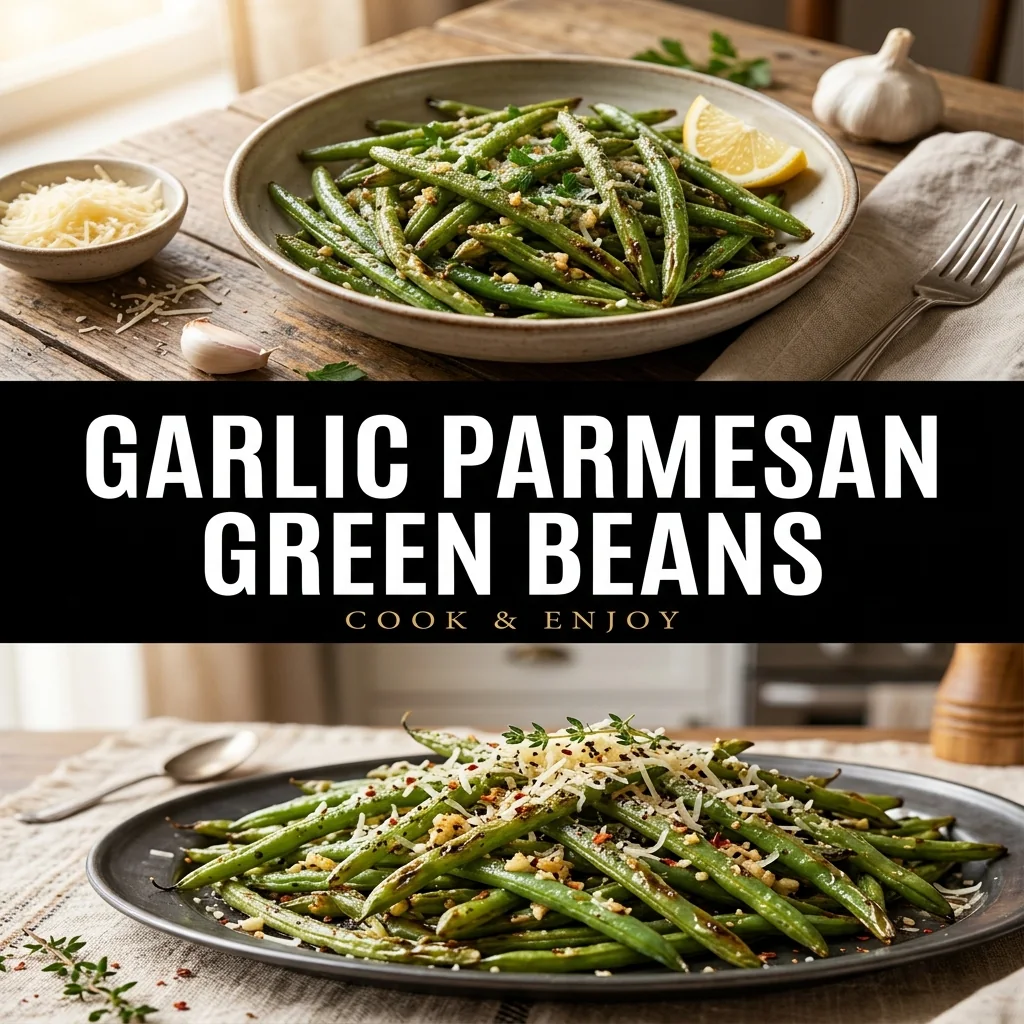
Garlic Parmesan green beans combine crisp-tender garden vegetables with savory aromatics and umami-rich aged cheese. Blanching before a quick sauté locks in the bright emerald color while softening the fibrous structure just enough to preserve a distinct snap. Sautéing minced garlic in a combination of olive oil and butter yields a balanced fat profile with a high smoke threshold and rich milk-solid flavor. Finishing the hot pan with freshly squeezed lemon juice cuts through the richness of the grated Parmigiano-Reggiano, creating a light pan sauce that clings tightly to every bean. Whether serving next to roasted chicken, seared steaks, or festive holiday mains, this side dish provides an elegant balance of acidity, crunch, and deeply savory depth.
Mastering the Blanch and Shock Technique
Blanching green beans in heavily salted boiling water gelatinizes the starches and sets the vibrant green chlorophyll pigment. The brief cooking interval ensures the beans lose their raw squeak without turning flaccid or drab. Plunging them immediately into an ice water bath halts residual carryover heat that would otherwise overcook the interior structure. This step guarantees consistent doneness throughout each batch. Thoroughly drying the beans before they hit the hot sauté pan is essential; dry surfaces allow the garlic oil to adhere directly rather than slipping away in residual boiling water.
Managing Garlic and Cheese Temperatures
Garlic contains delicate sugars that burn quickly in hot fat, creating bitter notes that overpower the vegetable's natural sweetness. Sauté garlic over medium heat and stir constantly so it turns pale gold rather than dark brown. When incorporating Parmigiano-Reggiano, take the skillet entirely off the heat burner. Adding cheese over active flame causes milk proteins to seize and separate into greasy clumps. The ambient heat of the green beans and residual pan temperature melt the cheese gently, forming a light, emulsified coating with the butter and citrus juice.
Selecting Ingredients and Customization
Choose slender, firm green beans such as haricots verts or young snap beans free from blemishes and soft spots. Pre-grated cheeses packaged with anti-caking agents resist smooth melting; microplane fresh Parmigiano-Reggiano or Pecorino Romano for optimum cling and sharp aroma. If you prefer additional textural contrast, toast slivered almonds or pine nuts in the dry skillet prior to cooking the garlic, stirring them back into the finished dish alongside the final cheese garnish. A pinch of fresh lemon zest added at the end heightens the natural brightness of the beans.
Before you start
Moisture is the primary enemy of achieving a glossy, savory glaze on green beans. After shocking them in the ice water bath, spread the beans across clean kitchen towels and roll them gently to dry every surface completely. If the beans enter the skillet wet, the water will steam the garlic, causing it to boil rather than infuse into the hot oil, resulting in soggy green beans and a diluted Parmesan coating.
THE RECIPE
Garlic Parmesan Green Beans
4 servings · 15 minutes preparation · 12 minutes cooking · 2 minutes cooling, chilling or resting
Ingredients
Step-by-step instructions
- Bring 4 quarts of water and 1 tablespoon of kosher salt to a rolling boil in an 8-quart stockpot over high heat. Simultaneously prepare an ice bath by filling a large mixing bowl with equal measures of cold water and ice cubes.
- Submerge the trimmed green beans in the boiling water and cook for 3 to 4 minutes until vibrant green and crisp-tender. Promptly transfer them with tongs into the prepared ice bath for 2 minutes to halt cooking, then drain thoroughly on clean kitchen towels.
- Heat the extra-virgin olive oil and unsalted butter in a 12-inch heavy-bottomed skillet over medium heat until the butter foams. Add the minced garlic and crushed red pepper flakes, stirring constantly for 45 to 60 seconds until fragrant and lightly golden, without letting the garlic scorch.
- Add the blanched, thoroughly dried green beans to the skillet. Toss continuously with tongs over medium-high heat for 2 to 3 minutes until the beans are heated completely through, coated evenly in the garlic oil, and blister in faint spots.
- Remove the skillet from the heat source and season the beans with fine sea salt, cracked black pepper, and fresh lemon juice. Toss briskly to combine, then immediately fold in half of the grated Parmigiano-Reggiano so it melts gently into the glossy pan juices.
- Transfer the green beans to a warm serving platter and finish by scattering the remaining grated Parmigiano-Reggiano over the top. Serve immediately while hot and fragrant alongside your favorite roasted meats or seasonal main course dishes.
Kitchen notes
Moisture is the primary enemy of achieving a glossy, savory glaze on green beans. After shocking them in the ice water bath, spread the beans across clean kitchen towels and roll them gently to dry every surface completely. If the beans enter the skillet wet, the water will steam the garlic, causing it to boil rather than infuse into the hot oil, resulting in soggy green beans and a diluted Parmesan coating.
Storage & make-ahead
Cool leftovers completely before transferring to an airtight container; refrigerate for up to 4 days. Reheat in a dry skillet over medium-high heat with a tiny splash of olive oil for 2 to 3 minutes until warmed through. Freezing cooked green beans is not recommended because ice crystals rupture cell walls, turning the vegetables mushy upon thawing. Refrigerate perishable leftovers within 2 hours (within 1 hour above 90°F/32°C), using shallow containers. If reheating, heat throughout to 165°F (74°C).
An original recipe guide inspired by themes in our Pinterest research. Recipe has not been independently kitchen-tested. AI-generated image is illustrative; your finished dish may look different.
Frequently asked questions
Can I use frozen green beans instead of fresh?
Fresh green beans deliver the best snap and texture. Frozen green beans are already blanched and retain significant moisture; if using them, thaw completely, squeeze dry with towels, skip the boiling step, and sauté directly in the skillet for 3 minutes to avoid mushiness.
Why is my cheese clumping instead of coating the beans?
Cheese clumps if the skillet is too hot or if pre-shredded cheese containing cellulose is used. Remove the pan from heat before folding in freshly grated Parmigiano-Reggiano, allowing residual steam and melted butter to create a silky, even emulsion across the beans.
Can I prepare the green beans ahead of time?
Yes. Blanch and shock the green beans up to 24 hours in advance. Dry them thoroughly and store them in a paper towel-lined container in the refrigerator. When dinner approaches, complete the garlic sauté and cheese finish in just 5 minutes.