WHY MAKE IT
A little comfort, a lot of flavor.
Honey garlic baked cod transforms mild, lean white fish into a flavor-packed entrée with minimal effort. Cod possesses a clean, subtle taste and large, delicate flakes, making it an exceptional canvas for robust seasonings. The sauce combines sweet clover honey with savory minced garlic and salty soy sauce, while freshly squeezed lemon juice and zest provide essential citrus acid to brighten the glaze. Baking cod at 400°F cooks the thick loins through quickly, sealing in natural moisture before the exterior dries out. A quick baste halfway through cooking creates a glossy lacquered coating. It offers a straightforward, healthy seafood preparation that feels special yet requires under twenty minutes of oven time.
Selecting Fresh Cod
When shopping for cod, seek firm, translucent white fillets with no discoloration, yellowing, or fishy ammonia odors. Atlantic cod yields slightly firmer, sweeter flakes, whereas Pacific cod is leaner with a delicate, tender texture; both varieties work reliably in this recipe. Frozen fillets are an economical and fresh option if flash-frozen at sea. Thaw frozen cod overnight inside the refrigerator on a paper towel-lined plate to absorb moisture, and avoid thawing fillets in warm water, which damages delicate muscle fibers and turns fish mushy.
Temperature and Flake Cues
Overcooking is the primary hazard when baking lean white fish. Because cod contains minimal intramuscular fat, exceeding safe temperatures causes muscle fibers to contract tightly, expelling moisture and leaving the meat dry. Insert a digital food thermometer into the thickest center portion of the fillet; remove fish as soon as it reaches 145°F (63°C). Visual cues also assist: cooked cod transitions from translucent to milk-white and separates into clean flakes when pressed gently with a fork tine.
Side Dish Pairings
The sweet and savory notes of honey garlic sauce pair naturally with roasted green vegetables and fluffy grains. Roasted garlic broccolini, blistered green beans, or steamed bok choy provide earthiness that counters glaze sweetness. For starches, fragrant jasmine rice, garlic quinoa, or mashed red potatoes effectively catch the warm pan juices left in the baking dish. Garnish the finished plate with fresh parsley and fresh lemon wedges to allow diners to customize acid levels to their taste.
Before you start
Always pat cod thoroughly dry before seasoning; excess surface water prevents glaze from adhering and dilutes pan juices during baking. Choose thick loin cuts rather than thin tail portions whenever possible, as thicker fillets bake more evenly without drying out around edges. Keep a vigilant eye during the brief final broil stage, because honey sugars can turn from attractively caramelized to burnt within seconds.
THE RECIPE
Honey Garlic Baked Cod
4 servings · 15 minutes preparation · 18 minutes cooking · 3 minutes cooling, chilling or resting
Ingredients
Step-by-step instructions
- Preheat oven to 400°F (204°C). Brush a 9x13-inch ceramic or glass baking dish with 1 tablespoon olive oil to prevent delicate fish from sticking during roasting.
- Remove cod fillets from refrigerator and pat completely dry on all sides using paper towels. Season both sides evenly with 3/4 teaspoon kosher salt and 1/4 teaspoon cracked black pepper. Arrange seasoned fillets in the prepared baking dish with at least 1 inch of space between pieces.
- Melt unsalted butter in a small saucepan over medium-low heat. Add minced garlic and cook for 60 to 90 seconds until soft, fragrant, and pale golden, taking care not to brown or scorch the garlic.
- Remove saucepan from heat. Whisk honey, low-sodium soy sauce, fresh lemon juice, and lemon zest directly into warm melted butter until honey dissolves into a cohesive, emulsified glaze.
- Spoon two-thirds of warm honey garlic glaze evenly over tops of cod fillets, allowing some liquid to pool around base of fish in baking dish.
- Transfer baking dish to middle rack of preheated oven. Bake uncovered for 14 to 17 minutes until cod turns opaque throughout and reaches an internal temperature of 145°F (63°C) when tested with a digital culinary thermometer.
- Switch oven to broil on high for final 60 to 90 seconds, watching closely until glaze bubbles and caramelizes lightly on edges of fish. Remove promptly from oven.
- Drizzle remaining one-third warm glaze over hot fillets, sprinkle chopped parsley on top, and rest for 3 minutes before serving with fresh lemon wedges.
Kitchen notes
Always pat cod thoroughly dry before seasoning; excess surface water prevents glaze from adhering and dilutes pan juices during baking. Choose thick loin cuts rather than thin tail portions whenever possible, as thicker fillets bake more evenly without drying out around edges. Keep a vigilant eye during the brief final broil stage, because honey sugars can turn from attractively caramelized to burnt within seconds.
Storage & make-ahead
Store leftover baked cod in a shallow airtight glass container in the refrigerator for up to 2 days. To reheat without compromising moisture, place fish in a baking dish covered loosely with foil and warm in a 300°F (150°C) oven for 8 to 10 minutes until warm throughout. Avoid freezing cooked cod, as it becomes watery and mealy. Refrigerate perishable leftovers within 2 hours (within 1 hour above 90°F/32°C), using shallow containers. If reheating, heat throughout to 165°F (74°C).
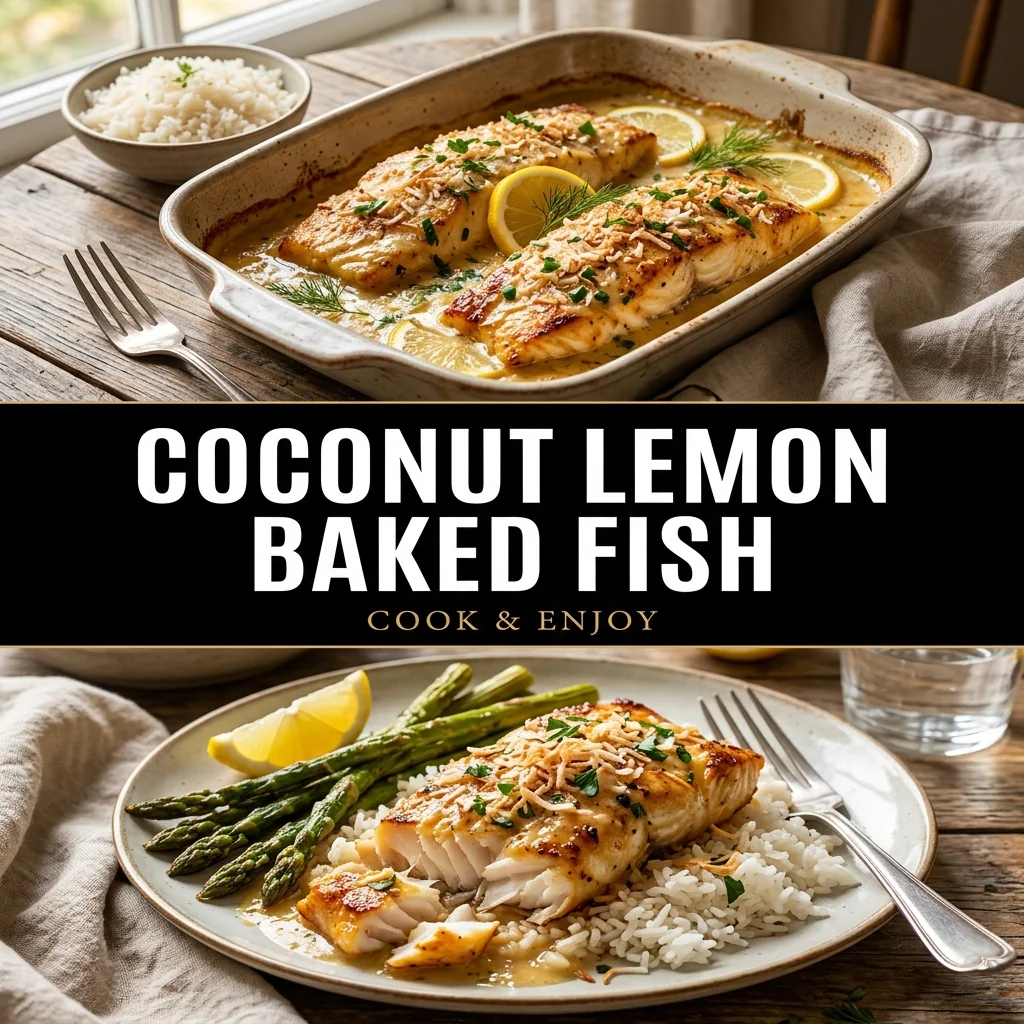
An original recipe guide inspired by themes in our Pinterest research. Recipe has not been independently kitchen-tested. AI-generated image is illustrative; your finished dish may look different.
Frequently asked questions
Can I substitute other white fish for cod?
Yes, firm white fish such as haddock, halibut, sea bass, or thick pollock work well. Adjust baking times based on fillet thickness, cooking until the fish registers 145°F (63°C) internally.
How do I prevent cod from becoming watery in the oven?
Dry fillets thoroughly with paper towels before cooking. Space fish at least 1 inch apart in the baking dish so released moisture evaporates rather than steaming the fillets.
Is the final broiling step mandatory?
Broiling is optional but recommended. It rapidly caramelizes honey sugars on top of fillets, providing color and roasted garlic flavor. Watch constantly to ensure garlic does not burn.