WHY MAKE IT
A little comfort, a lot of flavor.
Pozole verde is one of Mexico's most comforting culinary traditions, known for its lively herbal broth, tender meat, and the nutty chew of nixtamalized corn. This halal interpretation relies on bone-in halal chicken thighs and breasts, which create a rich homemade poaching broth that forms the backbone of the dish. A pureed blend of tart tomatillos, mild poblano chilies, fragrant cilantro, and toasted pumpkin seeds creates an emerald-hued sauce that brings both zest and velvety body to the soup. Simmered with plump hominy kernels and shredded poultry, pozole verde is a celebratory, soul-warming meal. Crisp garnishes of shredded cabbage, peppery radishes, and fresh lime juice complete the bowl with vibrant textural contrast.
Building Body with Pepitas
A classic green pozole relies on raw hulled pumpkin seeds, known as pepitas, to achieve its signature rich texture without heavy dairy or starch thickeners. Toasting the seeds in a dry pan until they pop releases their inherent nutty oils. Blended directly with cooked tomatillos, poblanos, and fresh herbs, the emulsified pepitas impart body and a creamy, pale green tint to the broth. This step tempers the sharp natural acidity of the tomatillos, balancing the bright notes with mellow richness that complements tender shreds of halal chicken.
Prepping Hominy Properly
Canned white hominy consists of large maize kernels treated through nixtamalization, an ancient process that unlocks nutrition and yields a pillowy, chewy texture. Because canned hominy sits in a starchy, slightly alkaline brine, thorough rinsing under cold running water is essential. Draining away this canning liquid eliminates any canned aftertaste, ensuring the kernels absorb the bright chicken broth and herb-chili puree cleanly. Simmering the hominy in the seasoned stock allows it to swell further, providing an earthy, satisfying bite in every spoonful.
Garnish Architecture and Texture
In traditional Mexican soup culture, garnishes are structural components rather than mere decorative accents. The rich, tart broth and tender shredded halal chicken benefit immensely from high-contrast crunchy toppings. Raw, finely shredded green cabbage introduces freshness and crisp resilience that does not wilt immediately in the hot liquid. Thinly sliced red radishes contribute sharp peppery notes, while Mexican oregano crushed between your palms delivers fragrant herbal oils. Finally, a squeeze of fresh lime juice right before tasting sharpens every savory flavor across the palate.
Before you start
Frying the green salsa base in oil—a traditional technique known as 'refrying' the sauce—is critical for deep, integrated flavor. Pouring the raw or boiled blended puree directly into a large pot of stock leaves the tomatillos tasting sharp and watery. Cooking the puree in hot oil for several minutes concentrates the sugars, rounds out the acidity of the tomatillos, and cooks the raw alliums, creating a velvety, cohesive soup base that clings beautifully to the hominy.
THE RECIPE
Mexican-Inspired Pozole Verde with Halal Shredded Chicken
6 servings · 30 minutes preparation · 60 minutes cooking · 10 minutes cooling, chilling or resting
Ingredients
Step-by-step instructions
- Place 2.5 pounds of halal chicken, 8 cups of water, half of the white onion, 2 peeled garlic cloves, 1 teaspoon dried oregano, and 1 teaspoon salt into a 6-quart Dutch oven over medium-high heat.
- Bring the liquid to a gentle boil, reduce the heat to medium-low, skim off any surface foam, and simmer partially covered for 30 minutes until the chicken registers at least 165°F (74°C) with an instant-read thermometer.
- Remove the cooked chicken to a wide plate to rest for 10 minutes until safe to handle; strain the cooking broth through a fine sieve into a heatproof bowl, discarding the spent onion and garlic, and reserve the broth.
- Place the husked tomatillos, chopped poblanos, and jalapeño into a medium saucepan, cover with water, bring to a boil over medium heat, and cook for 8 to 10 minutes until the tomatillos turn olive green and soften; drain thoroughly.
- Toast 0.5 cup of raw pepitas in a dry skillet over medium heat for 3 to 4 minutes until puffed and fragrant, stirring continuously to prevent burning.
- In a blender, combine the boiled tomatillos and peppers, toasted pepitas, remaining half onion, remaining 2 garlic cloves, 1 cup cilantro, and 1 cup of the reserved chicken broth; blend on high speed for 1 minute until silky and uniform.
- Heat 2 tablespoons of olive oil in the Dutch oven over medium heat, pour in the blended green puree, and fry the sauce for 5 to 6 minutes, stirring frequently until darkened slightly and fragrant.
- Pour the remaining reserved chicken broth into the pot along with the drained hominy, remaining 1 teaspoon dried oregano, and remaining 1 teaspoon salt; bring to a simmer over medium heat for 15 minutes.
- Shred the rested halal chicken into bite-sized pieces, fold into the simmering green soup, cook for 5 minutes until heated through, and serve hot topped with shredded cabbage, sliced radishes, and fresh lime wedges.
Kitchen notes
Frying the green salsa base in oil—a traditional technique known as 'refrying' the sauce—is critical for deep, integrated flavor. Pouring the raw or boiled blended puree directly into a large pot of stock leaves the tomatillos tasting sharp and watery. Cooking the puree in hot oil for several minutes concentrates the sugars, rounds out the acidity of the tomatillos, and cooks the raw alliums, creating a velvety, cohesive soup base that clings beautifully to the hominy.
Storage & make-ahead
Store leftover pozole in an airtight container in the refrigerator within 2 hours of preparation for up to 3 days. The hominy will continue absorbing liquid as it sits, so add a splash of water or halal chicken stock when warming. Reheat gently in a saucepan over medium heat until the soup reaches at least 165°F (74°C). Avoid freezing garnishes like cabbage and radishes; prepare those fresh upon serving.
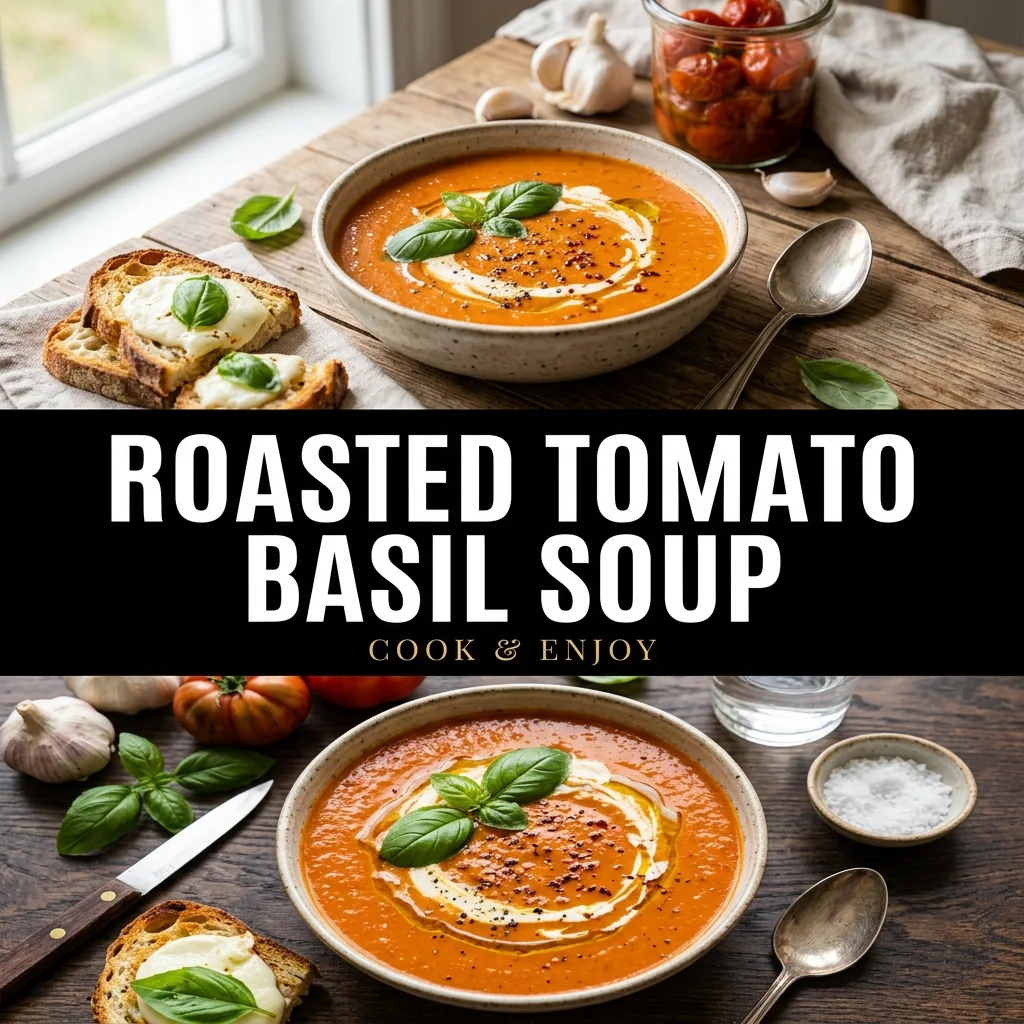
An original recipe guide inspired by themes in our Pinterest research. Recipe has not been independently kitchen-tested. AI-generated image is illustrative; your finished dish may look different.
Frequently asked questions
Can I use boneless chicken instead of bone-in?
You can use boneless chicken breasts or thighs, but bone-in cuts yield a noticeably richer poaching broth. If using boneless, consider supplementing the poaching water with a quality halal-certified prepared chicken stock to maintain adequate body and flavor.
How spicy is this green pozole broth?
This recipe is mild to moderate. Poblano peppers provide deep earthy pepper flavor with minimal heat, while the single jalapeño adds a gentle kick. For a milder soup, scrape out all seeds and white veins from the jalapeño before blending.
What can I substitute for Mexican oregano?
Mexican oregano has floral, citrus undertones belonging to the verbena family. If unavailable, use Mediterranean oregano mixed with a pinch of dried marjoram or a dash of crushed coriander seed to mimic that bright, herbal complexity.