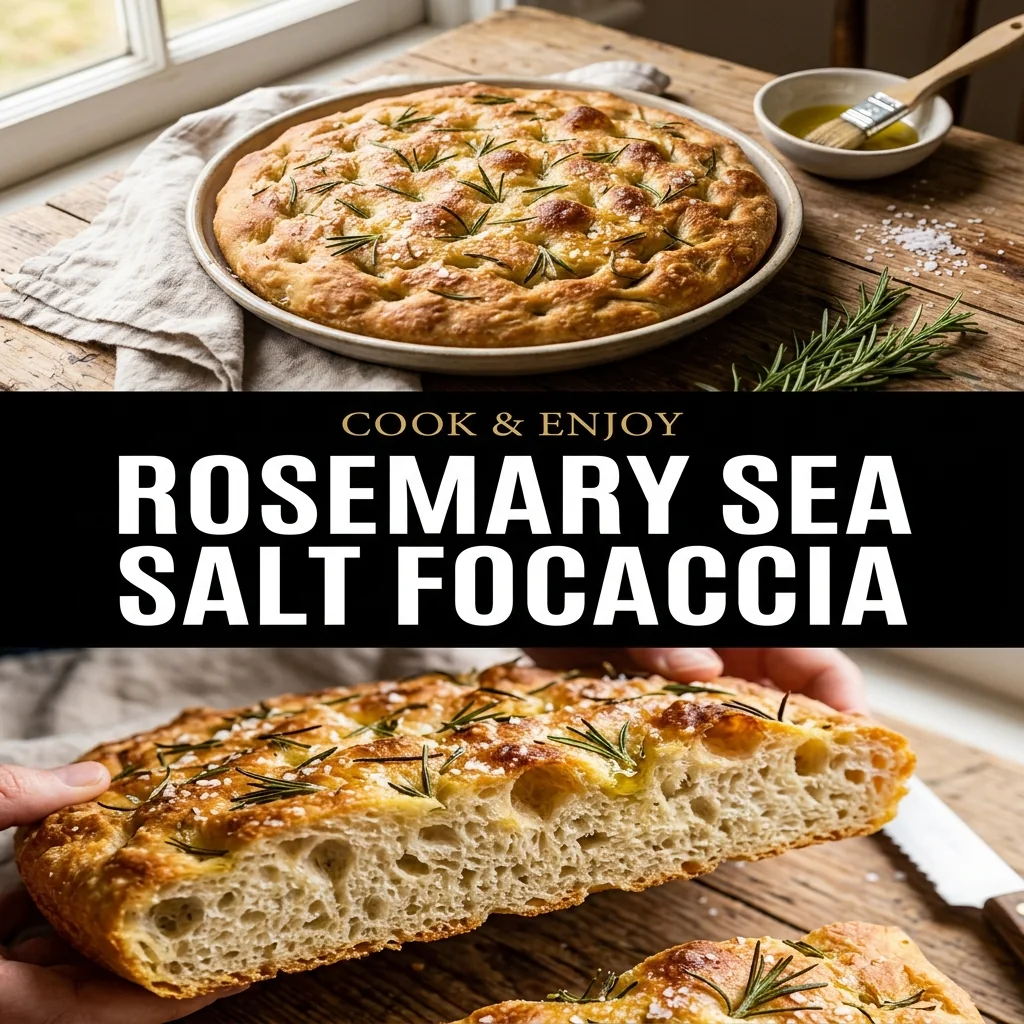
WHY MAKE IT
A little comfort, a lot of flavor.
Roasted Red Pepper and Goat Cheese Focaccia delivers an exceptional balance of crisp, oil-blistered crust and soft, cloud-like crumb. Focaccia relies on a high-hydration dough that requires minimal physical effort, allowing gentle yeast fermentation and olive oil to build flavor and structure. In this vibrant variation, sweet strips of roasted red peppers partner with tangy, creamy goat cheese produced with halal-suitable microbial rennet. Fresh rosemary needles release their aromatic oils into the surface pockets as the loaf bakes at high heat, while flaky sea salt brings every flavor into sharp focus. Served warm from the oven as a centerpiece bread for family dinners or sliced horizontally for savory sandwiches, this Mediterranean classic elevates everyday home baking into something memorable.
Hydration and Dough Handling
This dough uses an eighty percent hydration ratio, meaning the water weight is eighty percent of the flour weight. This high water content yields an open, cavernous crumb structure and prevents the bread from drying out during high-heat baking. Because the dough is wet and sticky, do not attempt traditional counter kneading. Instead, allow the yeast and resting intervals to develop the gluten matrix naturally. When transferring the dough to your baking pan, handle it gently with oiled hands so you do not deflate the trapped pockets of carbon dioxide that create the classic focaccia texture.
Topping Selection and Halal Verification
When sourcing goat cheese for savory bakes, verify that the packaging specifies microbial rennet or vegetarian-friendly enzymes, confirming no non-halal animal enzymes were used during curdling. Choose a soft, spreadable chèvre style that crumbles into distinct nuggets. These pockets of cheese soften without running completely liquid across the crust. Patting the jarred roasted red peppers dry is essential; excess liquid creates soggy patches on the dough surface. Fresh rosemary stands up to high oven heat far better than dried herbs, which scorch easily and impart bitterness.
Oven Setup and Crust Development
Proper heat transfer creates the signature fried-bottom crust that defines authentic focaccia. Bake the pan on the lower-middle rack of the oven to ensure bottom heat crisps the base before the delicate goat cheese browns excessively. If using an oven stone or steel, place the metal pan directly on the preheated stone to accelerate thermal transfer. Allow the baked focaccia to rest in the pan for five minutes before moving it to a wire rack, preventing condensation from softening the bottom crust while steam equalizes throughout the crumb.
Before you start
For the crispest bottom crust, use an uncoated dark metal baking pan rather than glass or ceramic, which transfer heat too slowly. When dimpling the dough, press your fingers firmly until you touch the bottom of the metal pan without tearing through the dough web. If your roasted peppers are packed in brine or oil, pat them thoroughly dry on paper towels first; excessive surface moisture prevents the top layer of dough from blistering properly.
THE RECIPE
Roasted Red Pepper and Goat Cheese Focaccia
8 servings · 25 minutes preparation · 25 minutes cooking · 125 minutes cooling, chilling or resting
Ingredients
Step-by-step instructions
- Whisk 500 grams bread flour, 7 grams instant dry yeast, and 10 grams fine sea salt together in a large mixing bowl.
- Pour in 400 milliliters lukewarm water and 30 milliliters extra-virgin olive oil, stirring with a sturdy spatula until a wet, shaggy dough forms with no dry flour remaining.
- Cover the mixing bowl tightly with a damp cloth and leave to rest at warm room temperature for 60 minutes until doubled in bulk and noticeably bubbly.
- Pour 15 milliliters extra-virgin olive oil into a 9x13-inch metal baking pan, tipping the pan to coat the bottom and sides thoroughly.
- Tip the fermented dough gently into the prepared pan, turn it once to coat both sides in oil, then gently stretch toward the corners without tearing; cover and let rest for 45 minutes to rise fully.
- Preheat your oven to 425 F (218 C) while the dough finishes its second proofing stage.
- Drizzle the remaining 15 milliliters olive oil over the dough surface, then press your fingertips straight down to the bottom of the pan across the entire surface to form deep dimples.
- Evenly scatter 150 grams sliced roasted red peppers, 120 grams crumbled goat cheese, 2 tablespoons chopped rosemary, and 1 teaspoon flaky sea salt across the dimpled dough.
- Bake at 425 F (218 C) for 22 to 25 minutes until the crust is deeply golden brown and crisp, then transfer to a wire cooling rack to rest for 20 minutes before slicing into 8 portions.
Kitchen notes
For the crispest bottom crust, use an uncoated dark metal baking pan rather than glass or ceramic, which transfer heat too slowly. When dimpling the dough, press your fingers firmly until you touch the bottom of the metal pan without tearing through the dough web. If your roasted peppers are packed in brine or oil, pat them thoroughly dry on paper towels first; excessive surface moisture prevents the top layer of dough from blistering properly.
Storage & make-ahead
Cool completely and refrigerate any leftovers in an airtight container within 2 hours for up to 3 days. To reheat, place slices on a baking sheet in a 350 F (177 C) oven for 8 to 10 minutes until heated through to an internal temperature of 165 F (74 C). The dough can also be mixed the night before and held in the refrigerator for a slow cold fermentation up to 16 hours.
An original recipe guide inspired by themes in our Pinterest research. Recipe has not been independently kitchen-tested. AI-generated image is illustrative; your finished dish may look different.
Frequently asked questions
Can I use all-purpose flour instead of bread flour for this focaccia?
All-purpose flour works if bread flour is unavailable, but the resulting crumb will be slightly softer and less chewy. Bread flour contains higher protein levels that support the heavy moisture and trapped fermentation gases, giving the focaccia its characteristic tall, airy structure.
Why did my toppings sink to the bottom of the bread?
Toppings sink if the dough is over-proofed and structurally fragile, or if toppings are pressed down with excessive force. Scatter the peppers and cheese lightly over the dimpled surface just before baking, pressing only enough to secure them in the top crevices.
Can I freeze baked focaccia slices for later use?
Yes, freeze cooled slices separated by parchment paper in a heavy freezer bag for up to two months. Reheat frozen slices directly on a baking sheet at 375 F (190 C) for 10 to 12 minutes until warmed through to 165 F (74 C).