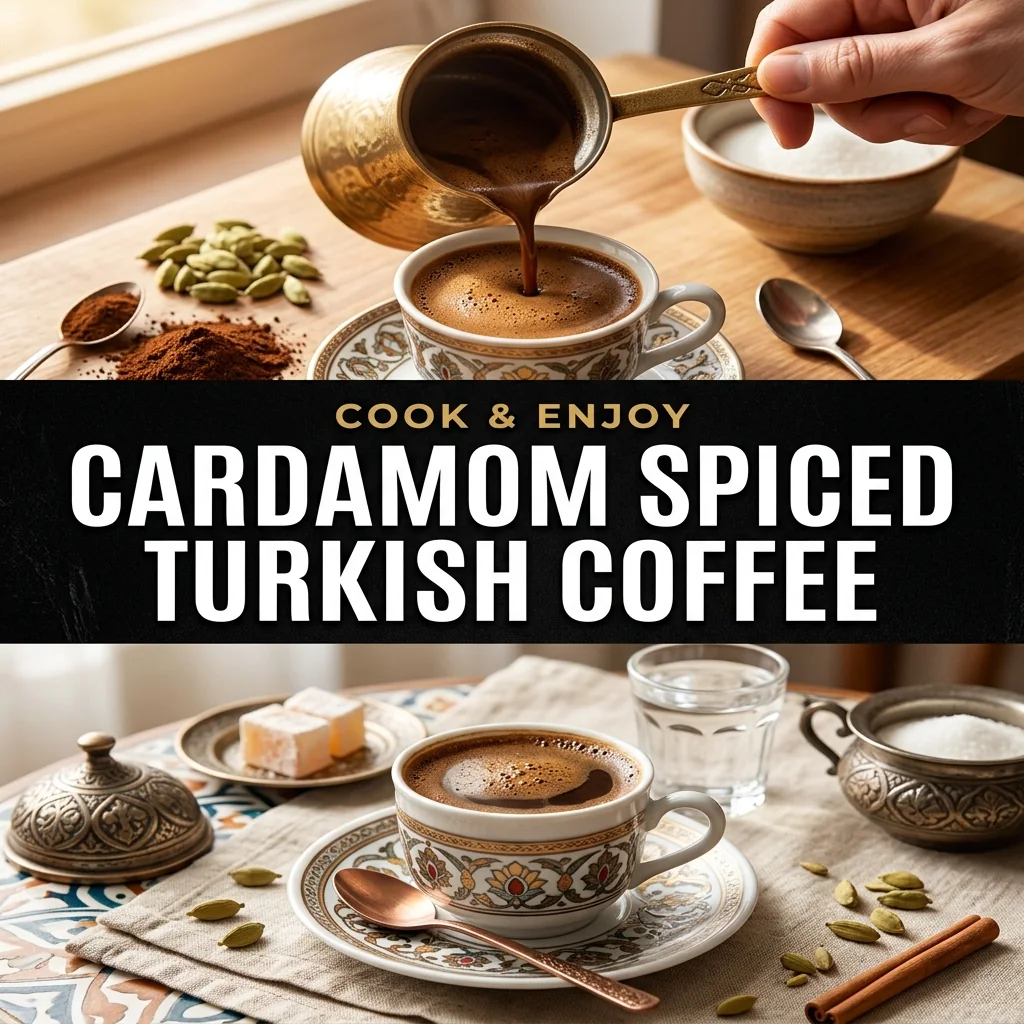
WHY MAKE IT
A little comfort, a lot of flavor.
Unlike standard hot cocoa made from diluted cocoa powder and sugar, authentic Belgian drinking chocolate is a luxurious, full-bodied indulgence crafted directly from solid couverture chocolate. This preparation honors traditional European chocolate houses, melting finely shaved 70% dark chocolate directly into an equalized emulsion of whole milk and heavy cream. A subtle measure of brown sugar complements the natural bitterness of the roasted cocoa beans, while a minute pinch of fine sea salt enhances lingering floral and earthy aromatic notes. Served intentionally in petite demitasse cups, this drinking chocolate possesses a rich, coating consistency designed to be sipped slowly, delivering an unadulterated chocolate experience with an ultra-glossy finish.
The Importance of Quality Couverture
Belgian chocolate is renowned for its ultra-fine milling process, which yields particle sizes below twenty microns, producing exceptionally smooth mouthfeel. Using 70% dark couverture ensures a high concentration of pure cocoa butter, which melts near body temperature and creates a natural glossy sheen without relying on cornstarch or chemical thickeners. Chop the chocolate finely using a serrated knife so that it dissolves instantly upon contact with the steaming dairy, preventing hotspots that could otherwise burn the delicate cocoa mass.
Balancing Dairy and Emulsification
Achieving the classic European drinking chocolate texture requires balancing liquid milk with heavier dairy fats. Using only whole milk produces a thinner beverage, while heavy cream alone can taste excessively heavy and mute bright cocoa aromatics. A three-to-one ratio of whole milk to heavy cream delivers optimal viscosity while allowing the chocolate profile to lead. Cooking gently over low heat allows the cocoa butter to form an enduring emulsion with the dairy proteins, thickening the liquid naturally as it simmers.
Serving Etiquette and Presentation
Because this beverage is exceptionally dense and rich, it should be presented in small espresso or demitasse cups holding three to four ounces. Pre-warming the cups by rinsing them with hot water prevents the hot chocolate from cooling prematurely, which could cause the cocoa butter to congeal along the cup edges. Serve alongside a small glass of cool water to cleanse the palate between sips, highlighting the dark chocolate's deep notes of fruit, smoke, and roasted cacao.
Before you start
Low, steady heat is critical when melting chocolate into milk. Boiling the dairy can scorch milk solids and cause high-percentage chocolate to seize into an oily paste. Chopping your chocolate into uniform shavings ensures it melts evenly during the resting step off the heat. If the consistency becomes thicker than desired, whisk in an extra splash of warm whole milk one tablespoon at a time.
THE RECIPE
Thick Belgian Drinking Chocolate
4 servings · 8 minutes preparation · 7 minutes cooking · 2 minutes cooling, chilling or resting
Ingredients
Step-by-step instructions
- Finely chop the Belgian 70% dark chocolate with a serrated knife on a cutting board into small, uniform flakes to ensure even melting.
- Combine whole milk, heavy cream, brown sugar, and sea salt in a heavy-bottomed 1.5-quart saucepan over medium-low heat.
- Heat the dairy mixture slowly for 4 minutes, stirring constantly with a silicone spatula until steam rises gently and small bubbles form at the pan edges (do not boil).
- Remove the saucepan from the heat, immediately scatter the chopped Belgian chocolate across the surface, and let it rest undisturbed for 2 minutes to soften.
- Whisk slowly starting from the center of the saucepan until the chocolate fully dissolves into the dairy, creating a glossy, homogeneous mixture.
- Return the saucepan to low heat and cook gently for 3 minutes, whisking continuously as the liquid thickens and coats the back of a spoon.
- Stir in the alcohol-free vanilla extract, remove from heat, and divide hot drinking chocolate evenly among four pre-warmed demitasse cups to serve immediately.
Kitchen notes
Low, steady heat is critical when melting chocolate into milk. Boiling the dairy can scorch milk solids and cause high-percentage chocolate to seize into an oily paste. Chopping your chocolate into uniform shavings ensures it melts evenly during the resting step off the heat. If the consistency becomes thicker than desired, whisk in an extra splash of warm whole milk one tablespoon at a time.
Storage & make-ahead
Cool leftover drinking chocolate and store in a sealed glass container in the refrigerator for up to 3 days. Reheat gently in a small saucepan over low heat, whisking constantly until steaming (reaching at least 165 F / 74 C); do not allow to boil. Promptly refrigerate unused portions within 2 hours. Freezing is not recommended.
An original recipe guide inspired by themes in our Pinterest research. Recipe has not been independently kitchen-tested. AI-generated image is illustrative; your finished dish may look different.
Frequently asked questions
Can I use semi-sweet chocolate chips instead?
Chocolate chips contain stabilizing agents and less cocoa butter, which prevents them from melting smoothly into a velvety liquid. For best results, use a premium Belgian dark chocolate baking bar with at least 60% to 70% cocoa solids, chopped finely with a knife.
Why did my drinking chocolate turn grainy?
Graininess occurs when chocolate is overheated or comes into contact with boiling milk, causing the cocoa butter to separate from the solids. Keep your heat low and remove the pan from the burner before adding the chopped chocolate to ensure gentle, safe melting.
Can I add spices like cinnamon or chili?
Yes, you can infuse whole spices like half a cinnamon stick or a split dried chili pod into the milk and cream while they heat. Strain the dairy thoroughly before adding the chocolate to keep the finished texture completely smooth and refined.