WHY MAKE IT
A little comfort, a lot of flavor.
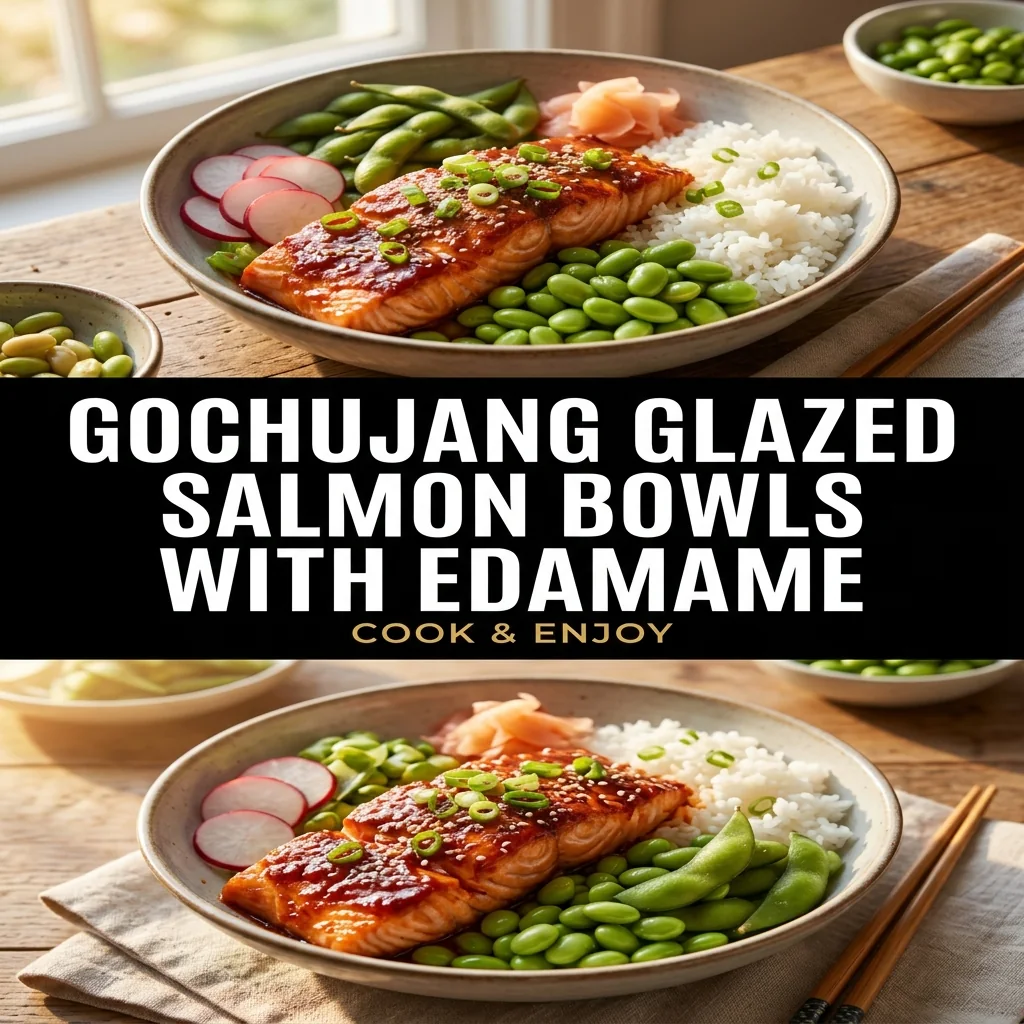
Combining the rich, heart-healthy oils of wild salmon with the bold, fermented complexity of Korean seasonings produces an exceptionally balanced dinner bowl. The centerpiece of this dish is fresh salmon coated in a lacquer-like glaze made from halal-certified gochujang, tamari, pure maple syrup, and fragrant ginger. As the fish roasts under high heat, the glaze reduces into a sticky, savory-sweet crust that clings to the flaky fish flesh. Served atop a comforting mound of plump short-grain sushi rice, accompanied by sweet steamed edamame and refreshing ribbons of crisp cucumber, these vibrant seafood bowls offer textural variety and deep culinary satisfaction in every spoonful.
Understanding Halal Gochujang and Glazes
Gochujang is a foundational Korean condiment made from fermented red chili peppers, glutinous rice, and fermented soybeans. While deeply flavorful, standard variations can occasionally include alcohol derived from grain spirits as a preservative or by-product of industrial fermentation. For this recipe, source verified halal-certified gochujang, which uses compliant fermentation methods. Combining this potent paste with natural pure maple syrup, sesame oil, and garlic tempers the heat, resulting in a balanced glaze that caramelizes gorgeously under dry oven heat without separating or burning excessively.
Mastering Salmon Roasting
Roasting salmon with the skin intact serves a dual purpose: it buffers the delicate bottom flesh against intense sheet pan heat and seals in natural culinary oils. Patting the raw surface dry before applying the glaze prevents dilution, enabling the thick marinade to adhere securely. Applying the glaze in two distinct stages—before entering the oven and halfway through the baking cycle—builds a rich, multi-layered lacquer finish. Checking for an internal temperature of at least 145°F (63°C) guarantees food safety while preserving succulent, melt-in-the-mouth flakes.
Bowl Construction and Harmony
A successful seafood bowl balances warmth, density, freshness, and crunch. Short-grain sushi rice provides a sticky, starch-rich anchor that catches dripping gochujang glaze. Steamed edamame introduces a nutty sweetness and tender chew, complementing the savory seafood protein. Raw sliced English cucumbers provide essential cool relief and hydration, contrasting the chili paste's fiery warmth. Toasted sesame seeds and fresh scallions finish the dish with textural pop and clean herbal brightness, ensuring every component contributes purposefully to the overall plate.
Before you start
Always verify your gochujang packaging to ensure it is halal-certified, as traditional commercial pastes occasionally incorporate alcohol as an unlisted fermentation stabilizer. When roasting the salmon, watch the glaze carefully during the final minutes; the natural sugars in the maple syrup and chili paste caramelize rapidly at 400°F (204°C). If the top begins to darken before reaching 145°F (63°C), tent the pan loosely with foil to finish cooking safely without scorching.
THE RECIPE
Gochujang Glazed Salmon Bowls with Edamame
4 servings · 20 minutes preparation · 16 minutes cooking · 5 minutes cooling, chilling or resting
Ingredients
Step-by-step instructions
- In a small mixing bowl, whisk together 3 tbsp halal-certified gochujang, 2 tbsp tamari, 2 tbsp maple syrup, 1 tbsp toasted sesame oil, 1 tbsp freshly grated ginger, 2 minced garlic cloves, and 1 tbsp rice vinegar until a smooth, viscous glaze forms.
- Rinse 2 cups short-grain sushi rice in a fine-mesh sieve under cold running water until the runoff is clear, then cook with 2 1/4 cups water in a medium covered saucepan over low heat for 15 minutes, remove from heat, and let sit covered to steam.
- Line a large rimmed baking sheet with aluminum foil or parchment paper and preheat the oven to 400°F (204°C).
- Place 4 salmon fillets skin-side down on the prepared baking sheet, pat the surface dry with paper towels, and brush the top and sides of each fillet generously with half of the prepared gochujang glaze.
- Roast the salmon in the center rack of the oven for 10 minutes, remove briefly to baste with the remaining glaze, and return to the oven for an additional 4 to 6 minutes until the edges are caramelized and the center reaches at least 145°F (63°C) on a digital probe thermometer.
- While the salmon roasts, place 1 1/2 cups shelled edamame in a small steamer basket over boiling water and steam covered for 4 minutes until vibrant green and tender, then drain and set aside.
- Remove the salmon from the oven and allow it to rest undisturbed on the sheet pan for 5 minutes so juices reabsorb into the fish.
- Fluff the cooked sushi rice with a paddle and divide evenly among four wide serving bowls, topping each with a warm glazed salmon fillet, a portion of steamed edamame, and sliced cucumber.
- Scatter 1 tablespoon toasted sesame seeds and sliced scallions evenly over each bowl before serving warm.
Kitchen notes
Always verify your gochujang packaging to ensure it is halal-certified, as traditional commercial pastes occasionally incorporate alcohol as an unlisted fermentation stabilizer. When roasting the salmon, watch the glaze carefully during the final minutes; the natural sugars in the maple syrup and chili paste caramelize rapidly at 400°F (204°C). If the top begins to darken before reaching 145°F (63°C), tent the pan loosely with foil to finish cooking safely without scorching.
Storage & make-ahead
Store leftover salmon, rice, edamame, and sliced cucumbers in separate airtight containers in the refrigerator within 2 hours of preparation. Consume within 2 days. Reheat the salmon and rice gently in a covered skillet or oven at 325°F (163°C) with a splash of water until the internal temperature reaches at least 165°F (74°C). Add the chilled cucumbers fresh after reheating to maintain crispness.
An original recipe guide inspired by themes in our Pinterest research. Recipe has not been independently kitchen-tested. AI-generated image is illustrative; your finished dish may look different.
Frequently asked questions
Can I make this bowl using skinless salmon fillets?
Yes, skinless fillets work well. Place them directly onto parchment paper to prevent sticking, and reduce the initial roasting duration by 1 to 2 minutes, ensuring the thickest portion still registers 145°F (63°C) before resting.
What can I use if short-grain sushi rice is unavailable?
Jasmine rice, medium-grain calrose rice, or even cooked quinoa can substitute effectively. Prepare according to package directions, aiming for tender, fluffy grains that easily absorb the savory glaze drippings.
Is it possible to prepare the gochujang glaze ahead of time?
Yes, whisk the glaze ingredients together and store them in an airtight glass jar in the refrigerator for up to 5 days. Stir thoroughly before brushing onto the raw salmon fillets.


