WHY MAKE IT
A little comfort, a lot of flavor.
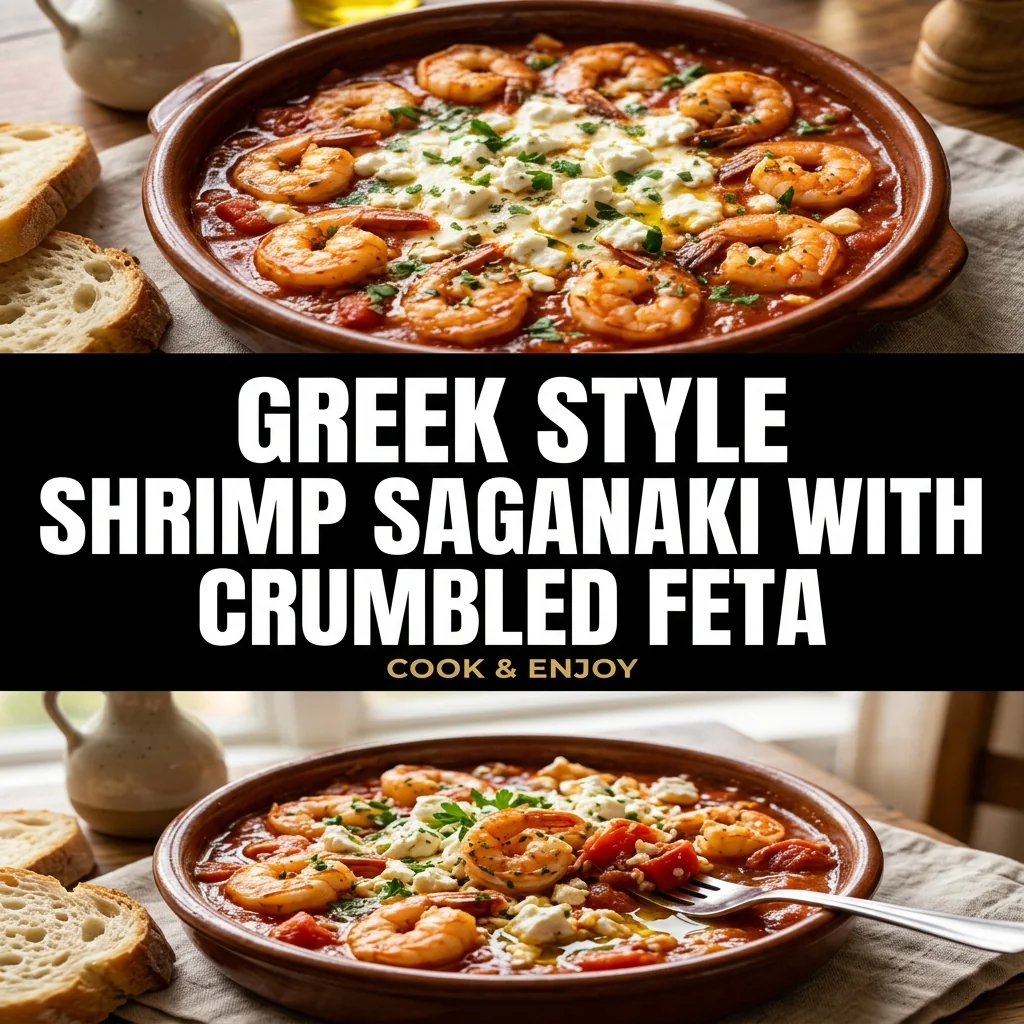
Greek style shrimp saganaki is a vibrant Mediterranean skillet meal named after the traditional two-handled pan in which it was historically prepared. This preparation highlights plump, succulent shrimp nestled in a rustic sauce made of sweet crushed tomatoes, pungent garlic, fragrant dried oregano, and a touch of chili warmth. Melted over the surface is briny, tangy halal-certified feta cheese that softens and chars under a hot broiler. While some restaurant versions incorporate alcohol, this recipe relies on rich tomato paste, concentrated vegetable broth, and bright freshly squeezed lemon juice to deliver an authentic depth of flavor. Served bubbling hot directly from the pan, it provides a comforting and aromatic seafood centerpiece.
Selecting the Right Halal Feta
Feta cheese provides the essential briny counterpoint to the sweet, acidic tomato sauce in saganaki. It is vital to select feta produced with halal-certified microbial or vegetarian rennet, rather than traditional animal rennet derived from non-halal sources. Blocks of sheep or goat milk feta preserved in brine generally deliver superior texture and tang compared to pre-crumbled cow milk alternatives, which often contain anti-caking starches. Crumbled coarsely by hand, authentic brined feta softens under broiler heat without completely dissolving into oil, giving the baked dish its characteristic creamy pockets.
Building the Rustic Tomato Base
The foundation of a memorable saganaki lies in proper reduction of the aromatics and tomatoes. Sautéing the diced onions slowly allows their natural sugars to emerge, balancing the acidity of the canned fruit. Cooking the tomato paste for an extra minute before adding the crushed tomatoes unlocks caramelized savory notes that provide full body to the sauce. Simmering the mixture until it thickens ensures the sauce clings tightly to the seafood rather than turning watery when the shrimp release their natural moisture during cooking.
Managing Seafood Doneness Under the Broiler
Shrimp cook remarkably fast and will turn tough if exposed to high heat for too long. Nestling raw, cold shrimp directly into the hot simmering sauce begins the cooking process from the bottom, while the broiler finishes them from above. Keep a close watch during the final broiling phase; 4 to 5 minutes is typically sufficient for large shrimp to curl into loose C-shapes and turn opaque pink. Using an instant-read probe to confirm an internal temperature of 145°F (63°C) guarantees both food safety and delicate, tender texture.
Before you start
Traditional non-halal recipes often rely on aniseed spirits, but you can build deep savory richness entirely through aromatics by sweating the onions thoroughly and allowing the tomato paste to caramelize slightly before adding liquids. Always ensure your feta cheese is explicitly halal-certified or made using vegetarian or microbial rennet. Use raw shrimp rather than pre-cooked shrimp so they absorb the savory juices while gently poaching in the sauce without turning tough or rubbery.
THE RECIPE
Greek Style Shrimp Saganaki with Crumbled Feta
4 servings · 15 minutes preparation · 20 minutes cooking · 5 minutes cooling, chilling or resting
Ingredients
Step-by-step instructions
- Preheat the oven broiler on the high setting and set an oven rack roughly 6 inches below the heating element.
- Heat the extra virgin olive oil in a 10-inch heavy oven-safe skillet or enameled cast-iron pan over medium heat.
- Add the diced yellow onion to the skillet and sauté for 5 minutes until soft and translucent, stirring frequently.
- Stir in the minced garlic and cook for 1 minute until fragrant, taking care not to let it brown or burn.
- Add the tomato paste, crushed tomatoes, halal-certified vegetable broth, dried oregano, red pepper flakes, sea salt, and black pepper, stirring thoroughly to combine.
- Lower the heat to medium-low and simmer the sauce gently uncovered for 10 minutes until slightly reduced and thickened.
- Stir the fresh lemon juice into the sauce, then arrange the raw shrimp in a single layer, nestling them gently into the simmering tomato mixture.
- Scatter the crumbled halal-certified feta cheese evenly across the top of the shrimp and sauce.
- Transfer the skillet to the oven and broil for 4 to 5 minutes until the feta is lightly browned in spots and the shrimp are opaque and reach an internal temperature of 145°F (63°C), then rest 5 minutes and sprinkle with chopped parsley.
Kitchen notes
Traditional non-halal recipes often rely on aniseed spirits, but you can build deep savory richness entirely through aromatics by sweating the onions thoroughly and allowing the tomato paste to caramelize slightly before adding liquids. Always ensure your feta cheese is explicitly halal-certified or made using vegetarian or microbial rennet. Use raw shrimp rather than pre-cooked shrimp so they absorb the savory juices while gently poaching in the sauce without turning tough or rubbery.
Storage & make-ahead
Refrigerate leftover shrimp saganaki in an airtight container within 2 hours of cooking. Store in the coldest part of your refrigerator and consume within 2 days. To reheat, transfer the mixture to an oven-safe baking dish, cover loosely with foil, and bake at 350°F (175°C) until bubbling and the internal temperature reaches 165°F (74°C). Avoid microwaving on high heat, which can make shrimp rubbery.
An original recipe guide inspired by themes in our Pinterest research. Recipe has not been independently kitchen-tested. AI-generated image is illustrative; your finished dish may look different.
Frequently asked questions
What can I serve with this shrimp saganaki?
This saucy dish pairs exceptionally well with warm crusty bread, pita flatbreads, or steamed basmati rice. Crusty bread is especially popular for soaking up the rich, feta-infused tomato and herb reduction left behind in the skillet.
Can I use frozen shrimp for this recipe?
Yes, frozen raw shrimp can be used. Thaw them completely in the refrigerator overnight or sealed in a zip-top bag submerged in cold water, then pat them thoroughly dry with paper towels before nestling them into the hot tomato sauce.
How can I tell if my feta cheese is halal?
Check the packaging for an explicit halal certification logo or review the ingredient list for 'microbial enzymes' or 'vegetarian rennet' instead of traditional animal-derived rennet, ensuring the product aligns with strict halal dietary guidelines.


