WHY MAKE IT
A little comfort, a lot of flavor.
Mushroom Parmesan Risotto brings together the deep, savory notes of seared cremini mushrooms with the luxurious, naturally creamy texture of slow-cooked short-grain Italian rice. Unlike standard steamed rice, risotto relies on a continuous friction-based technique where warm broth is added gradually, allowing the high-amylopectin starch on the exterior of Arborio grains to dissolve and form an emulsified sauce. Balancing the starch requires a finishing technique known as mantecatura, where cold butter and finely grated cheese are beaten into the warm grains off the heat. The result is a comforting, restaurant-quality meal centered on pantry ingredients and classic technique, perfect for a cozy weeknight dinner or an elegant weekend gathering.
Selecting the Right Rice and Broth
The success of any risotto rests on grain selection. Arborio is widely available and yields a soft exterior with a firm core, making it ideal for home kitchens. For an even firmer bite, Carnaroli or Vialone Nano can be substituted directly at equal ratios. Pair the rice with a low-sodium chicken or vegetable stock. Standard commercial broths contain high amounts of sodium that concentrate as the liquid reduces during the 20-minute simmering window, which can render the finished risotto unpleasantly salty before you add the Parmigiano-Reggiano.
Browning Mushrooms for Deep Umami
Mushrooms contain substantial amounts of water. If you crowd them into the pan with onions and rice simultaneously, they will steam rather than sear, creating a rubbery texture and a pale appearance. By browning the sliced cremini separately over medium-high heat in a combination of butter and oil, you drive off surface moisture and trigger Maillard browning. Searing them first creates rich savory flavor compounds that infuse the entire dish once the mushrooms are folded back into the creamy rice near the end of cooking.
Mastering the Mantecatura Technique
The final stage of risotto making is mantecatura, an Italian culinary term referring to the vigorous whipping of cold fats into hot starch. Removing the Dutch oven from direct heat before adding the chilled diced butter and finely grated Parmesan prevents the milk solids from breaking or turning greasy. As you stir rapidly with a wooden spoon, the melted cheese and cold butter bind with the starchy broth, producing the signature wavy consistency known as all'onda, where the rice flows gently when plated.
Before you start
Maintain your broth at a gentle simmer in a separate pan beside the risotto pot. Adding cold or room-temperature liquid abruptly drops the temperature of the rice, disrupting starch gelatinization and causing uneven cooking. Use a wide, heavy-bottomed pan to ensure even heat distribution across the surface. If you run low on simmering broth before the rice finishes cooking, heat a cup of plain water to finish the hydration rather than pouring in cold liquid.
THE RECIPE
Mushroom Parmesan Risotto
4 servings · 20 minutes preparation · 40 minutes cooking · 5 minutes cooling, chilling or resting
Ingredients
Step-by-step instructions
- Heat 5 cups of broth in a medium saucepan over medium-low heat until steaming, then reduce the heat to low to maintain a gentle simmer throughout the cooking process.
- Heat 1 tablespoon of olive oil and 1 tablespoon of butter in a 12-inch stainless skillet over medium-high heat, add the mushrooms and 1/4 teaspoon salt, cook undisturbed for 4 minutes, stir, and cook 4 minutes more until browned; transfer to a plate.
- In a 4-quart heavy-bottomed Dutch oven, heat the remaining 1 tablespoon of olive oil over medium heat, add the diced onion, cook for 4 to 5 minutes until translucent, then stir in the minced garlic and cook for 1 minute until fragrant.
- Pour 1 1/2 cups of Arborio rice into the Dutch oven with the aromatics and stir continuously for 2 to 3 minutes until the grain edges turn translucent and the centers show an opaque chalky dot.
- Pour in 1/2 cup of dry white wine, stirring constantly for about 2 minutes until almost completely absorbed, then begin adding the warm broth one ladleful at a time, stirring frequently until the liquid is mostly absorbed before adding more.
- Continue adding broth and stirring steadily for 18 to 22 minutes until the rice is tender with a slight al dente core, folding in the browned mushrooms, remaining salt, and black pepper during the final 4 minutes of cooking.
- Remove the Dutch oven from the heat, vigorously stir in the remaining 2 tablespoons of cold butter, grated Parmigiano-Reggiano, and chopped thyme until glossy, cover the pot, and let it rest for 5 minutes before serving warm.
Kitchen notes
Maintain your broth at a gentle simmer in a separate pan beside the risotto pot. Adding cold or room-temperature liquid abruptly drops the temperature of the rice, disrupting starch gelatinization and causing uneven cooking. Use a wide, heavy-bottomed pan to ensure even heat distribution across the surface. If you run low on simmering broth before the rice finishes cooking, heat a cup of plain water to finish the hydration rather than pouring in cold liquid.
Storage & make-ahead
Cool leftovers and refrigerate promptly in an airtight container within 2 hours. Keep chilled for up to 3 days. Risotto thickens significantly upon cooling; when reheating, place the rice in a small saucepan over medium-low heat, stir in 2 to 3 tablespoons of warm broth or water per serving, and heat until steaming and reaching an internal temperature of at least 165 F (74 C). Freezing is not recommended as rice grains lose texture.
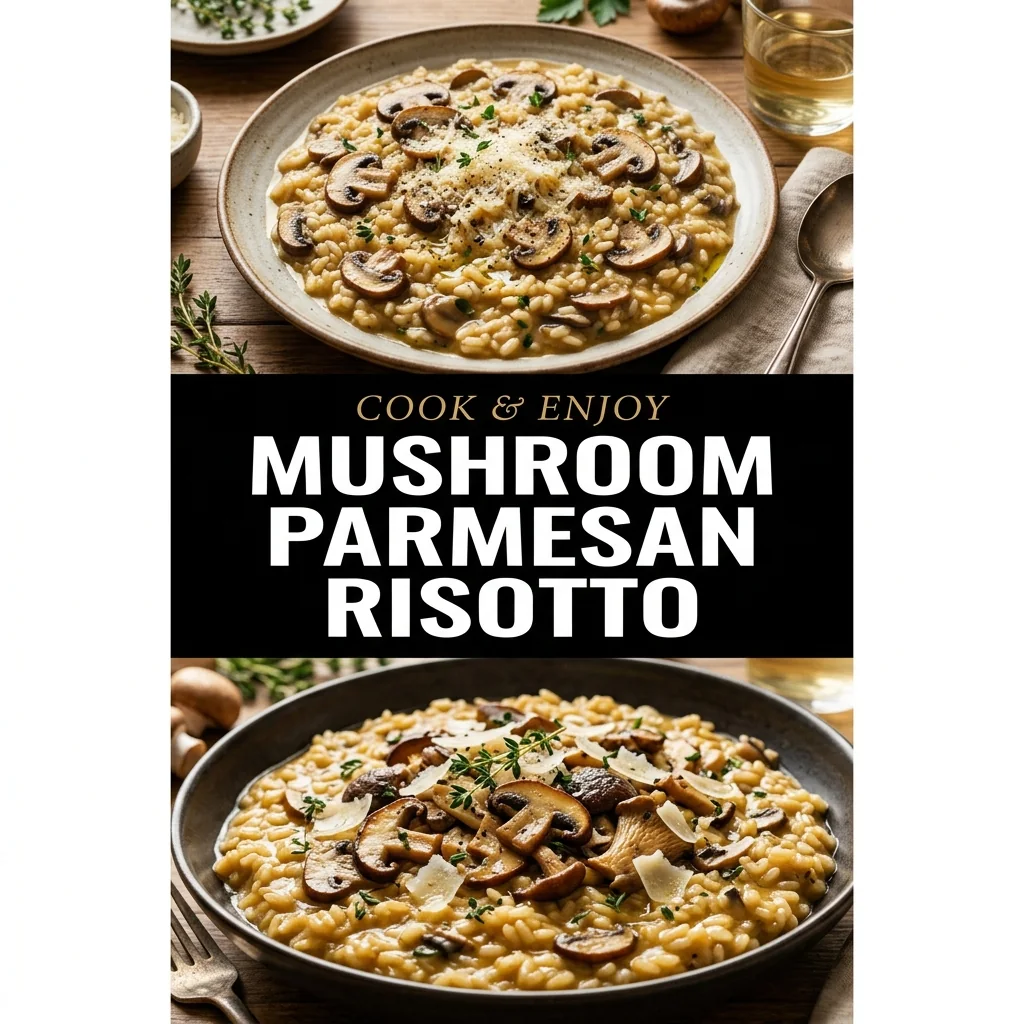
An original recipe guide inspired by themes in our Pinterest research. Recipe has not been independently kitchen-tested. AI-generated image is illustrative; your finished dish may look different.
Frequently asked questions
Can I make risotto ahead of time?
Risotto is best served immediately after cooking because the starches continue absorbing liquid as it sits. However, you can par-cook the rice up to halfway through the broth additions, spread it flat on a baking sheet to cool quickly, refrigerate it within 2 hours, and finish it with simmering broth before serving.
What white wine works best for risotto?
Use a crisp, dry white wine with moderate acidity such as Pinot Grigio, Sauvignon Blanc, or unoaked Chardonnay. Avoid sweet or oak-heavy wines, which can impart cloying or bitter notes to the delicate starch base as the alcohol cooks off during deglazing.
Why must the broth be warm when added?
Adding cold broth chills the rice grains, halting the cooking process and forcing the pot to repeatedly regain heat. Maintaining a warm, gentle simmer in an adjacent saucepan ensures continuous starch extraction and uniform cooking throughout the grain.